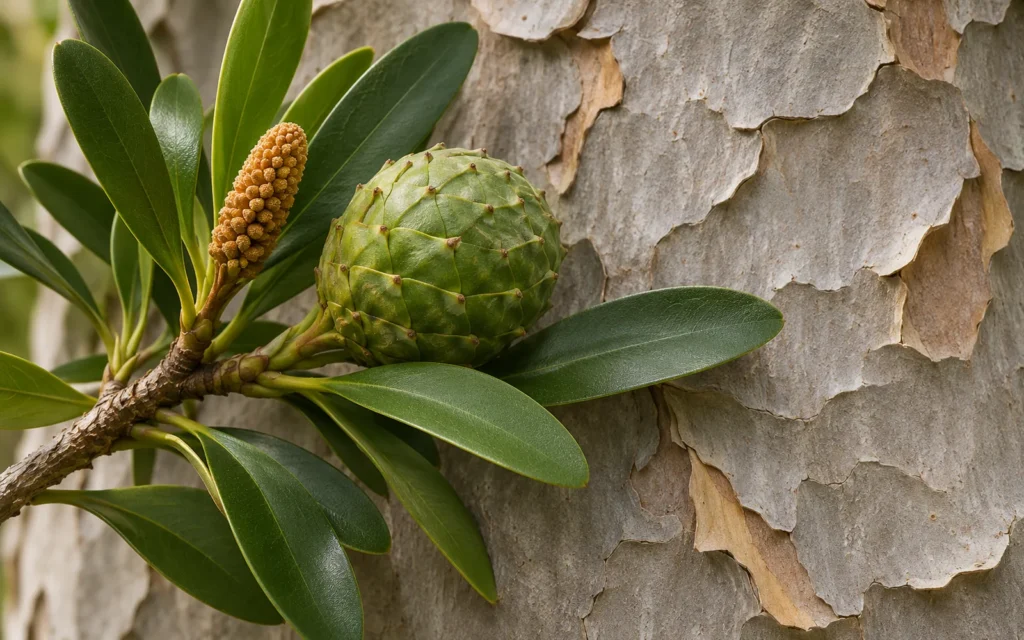
Kauri dieback is caused by Phytophthora agathidicida, a microscopic, fungus-like pathogen that lives in soil, infects kauri roots and kills trees of all ages. There is no known cure, and infected trees can carry it for a long time before they show signs.
How it spreads
The pathogen moves with soil: on footwear, clothing and gear, on vehicles, and with animals such as wild pigs, stock and pets. A small amount of soil on a boot can carry it from one forest to another.

What you can do
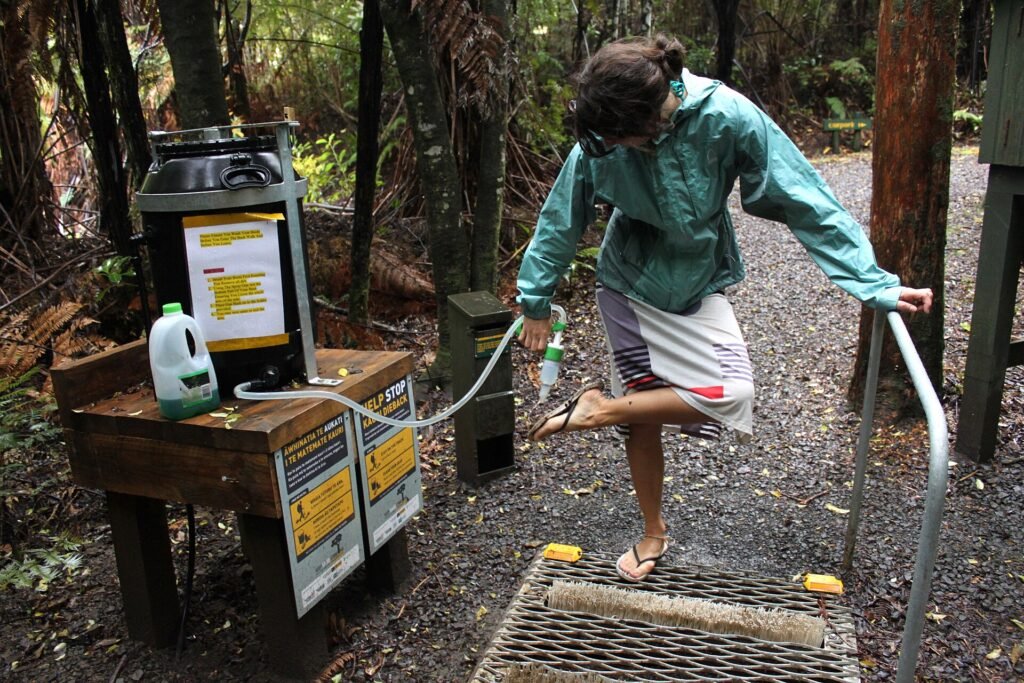
- Clean all soil off your footwear and gear before and after visiting a kauri forest, and use every cleaning station.
- Stay on the track and boardwalks, and keep off kauri roots.
- Keep dogs on a lead where they are allowed, and away from kauri.
- Respect track closures and rāhui. Some tracks are closed to protect trees.
A national plan
In 2022 the Government put in place a National Pest Management Plan for kauri dieback, the Biosecurity (National PA Pest Management Plan) Order 2022. It sets rules for visitors to kauri forests, for people who grow kauri and for owners of at-risk kauri, and Controlled Area Notices set conditions of entry for some forests, such as tracks in the Waitākere Ranges.