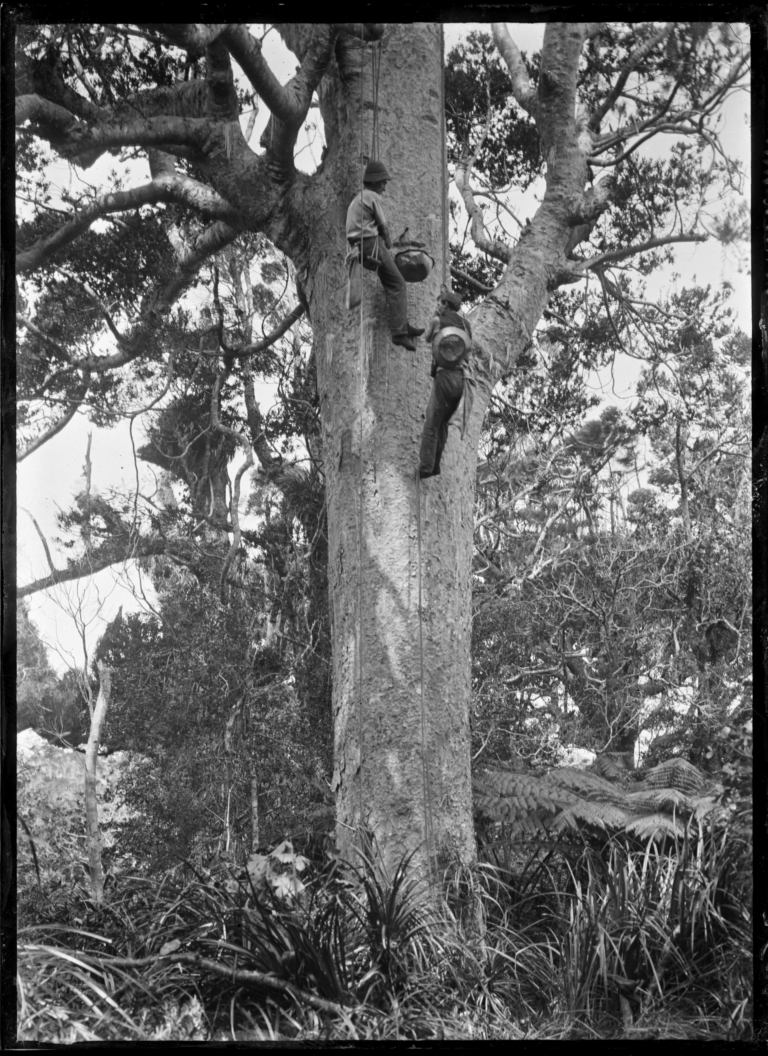
For more than 50 years, kauri gum was Auckland’s main export. Kauri gum was found to be superior to other resins, and by the mid-1840s was exported to manufacturers in London and America. The sticky resin produced by kauri trees became the foundation for a worldwide industry making high-quality varnish for furniture, boats and buildings.
Why varnish makers wanted kauri gum
Varnish in the 1800s was made from the resins of various trees. Copal is a general term for resins used to make varnish. In the late 1800s, kauri gum had two distinct advantages over other resins. It held its colour better and, because it had a lower melting point, it was easier and safer to handle.
Blended with linseed oil, the gum was used to make varnish. It was recognised overseas as a suitable resin for manufacture of a slow-drying varnish with a hard finish. By the 1890s, kauri gum dominated the market. Sources give different figures but indicate that kauri gum was used in around 70 per cent of oil varnishes made in England at that time.
High-grade gum for quality finishes
Gum was graded on its quality. Higher-grade gum was used in varnish. Only the highest grades of gum were suitable for furniture varnish. By the early 1900s, much quality furniture was being finished with kauri gum varnishes.
The gum was used on more than furniture. It protected painted carriages, wooden boats and houses. Some sources note it was specified for protecting oil paintings. Varnish makers also combined kauri gum with other materials to produce durable finishes for a wide range of uses. You can explore grading in more detail at Kauri gum grades: sorting and selling the harvest.
Building an export industry
In 1842 the explorer Charles Heaphy remarked that he had seen good quality varnish made from kauri gum. In 1853, 829 tons of gum were exported, and over 4,000 tons, averaging £40 a ton, went overseas in 1870. The trade continued to grow through the late 1800s.
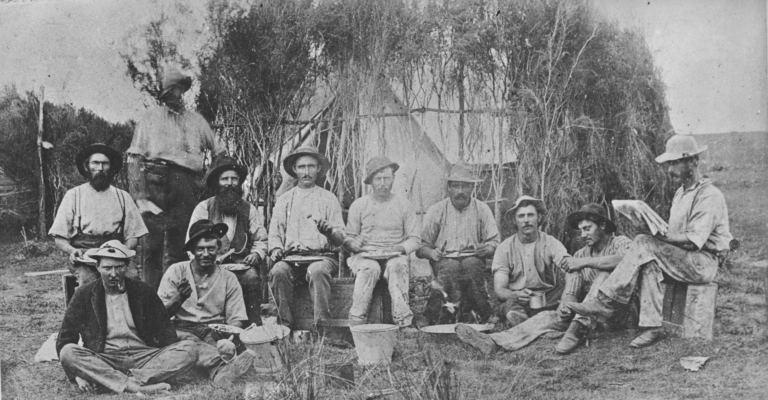
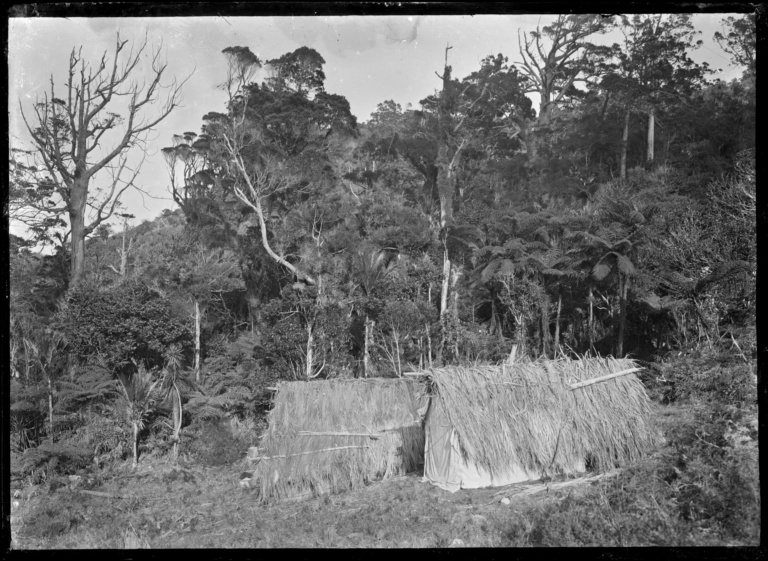
From 1850 to 1950, gum exports totalled 450,000 tons, and from 1850 to 1900 gum was Auckland’s main export, ahead of gold, wool and kauri timber. Around 450,000 tons, worth £25 million, was sent to Britain or North America between 1850 and 1950. The industry supported thousands of diggers who worked the Northland gumfields, digging in swamps and scrublands where ancient kauri forests once grew.
How the gum reached the factories
Storekeepers bought kauri gum from diggers. It was then taken to the nearest port and shipped to Auckland, where gum merchants cleaned it, graded it and exported it. The cleaning and sorting work was skilled labour that determined the final value of each shipment.
Gum merchants in Auckland ran large warehouses where the gum was processed before export. The highest grades went to varnish manufacturers overseas. The story of this trade network is told in Gum stores and the gumfield economy. See artefacts and learn more at Museums and heritage locations around the country.
Lower grades find new uses
Around 1910, overseas manufacturers began using poorer-grade gum to make linoleum. This opened up new markets for gum that was not clear or pure enough for varnish. From 1910 kauri gum was used extensively in manufacturing linoleum, a floor covering that was popular in homes and commercial buildings.
The linoleum market meant that more of the harvest could be sold. Even small pieces and chips that had no value for varnish could now be traded. This helped sustain the industry into the early 20th century. You can see examples of kauri gum in many forms at Kauri gum art and jewellery makers.
The end of the varnish era
In the 1930s, cheaper materials for making varnish were invented. In the 1930s cheaper synthetics were developed for making varnish and linoleum. These synthetic resins could be produced at lower cost and in larger quantities than natural gum.
The price of kauri gum fell, and by the 1940s the gum industry was coming to an end. The gumfields were largely worked out by this time as well. The combination of synthetic alternatives and declining supply closed the chapter on kauri gum as a major industrial material.
A lasting legacy
Kauri gum was once the greatest economic earner of any New Zealand plant extract. The varnish industry drove decades of economic activity in Northland and Auckland. It brought immigrants to the gumfields and shaped settlement patterns across the north.
Small quantities of kauri gum continued to be used after the 1940s for specialist purposes. Some violin makers still sought it for high-grade instrument varnish. Today the industry is remembered through museums, heritage sites and the work of contemporary makers who use kauri gum for jewellery and decorative arts.