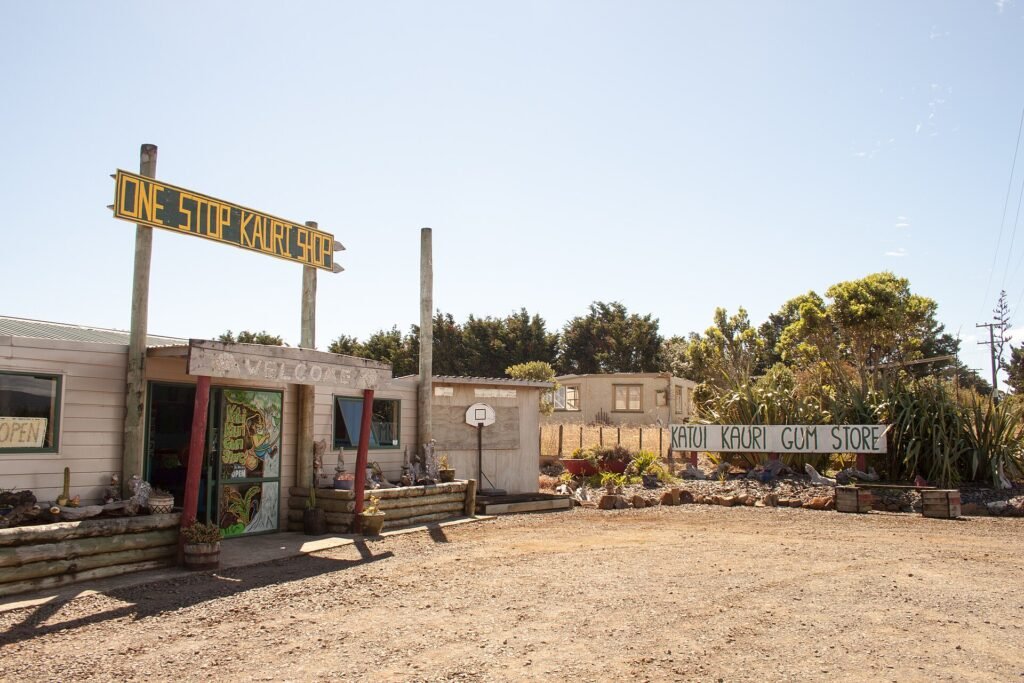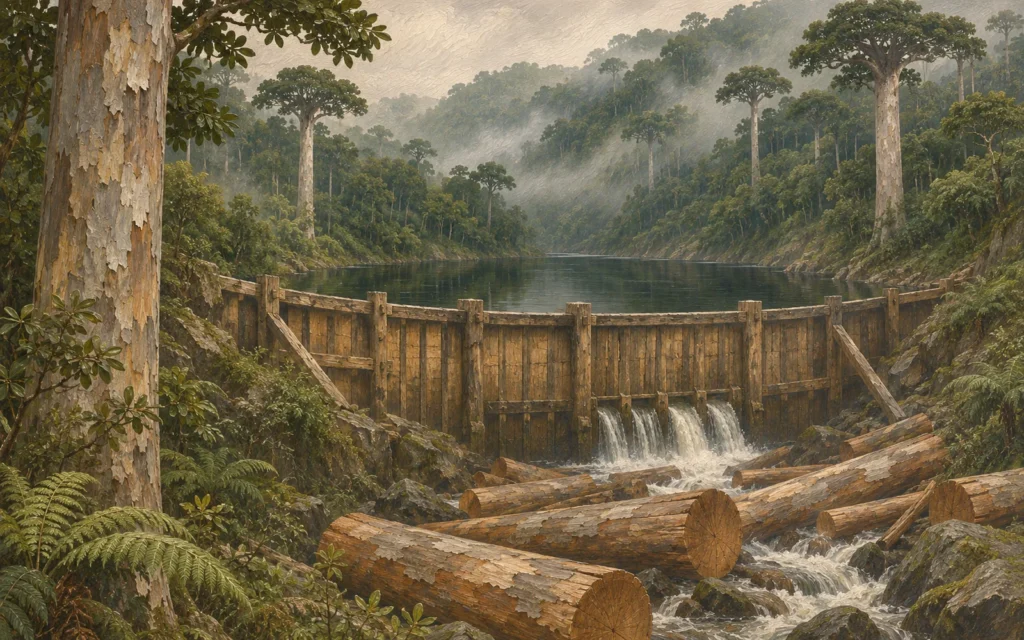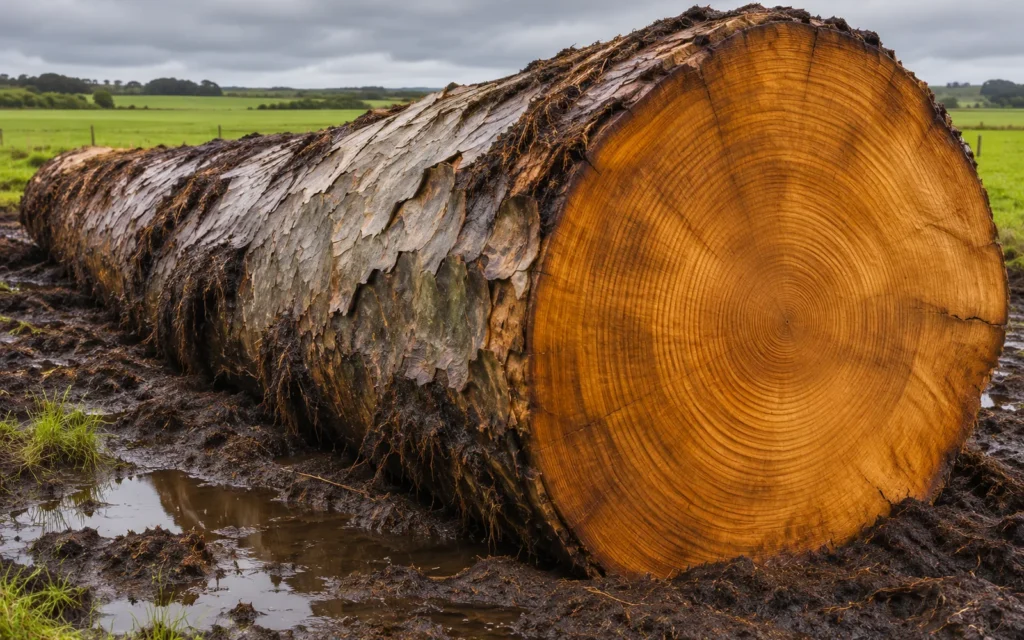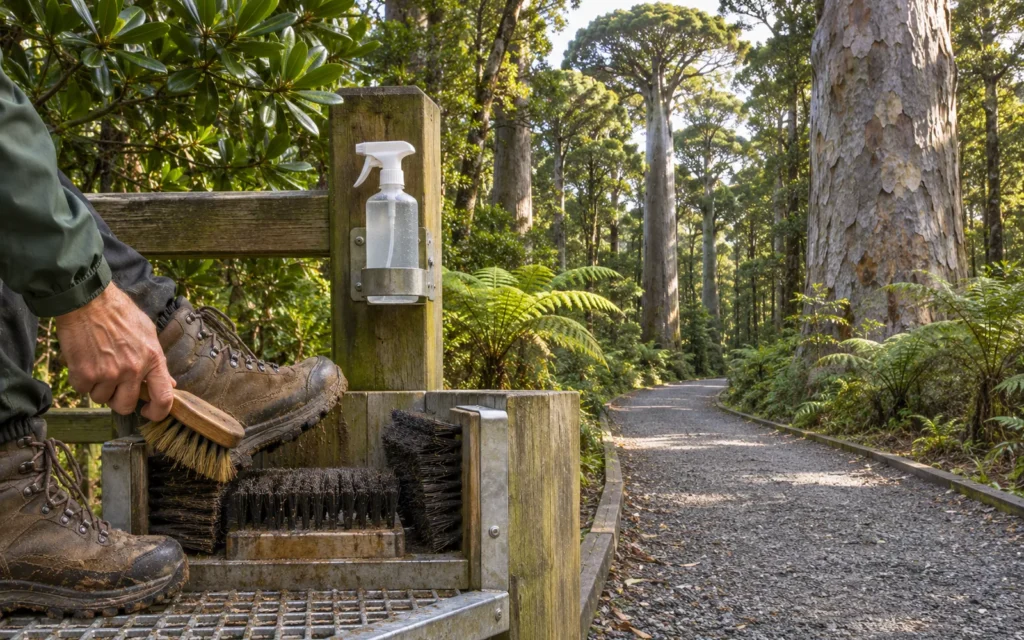
Lumps of kauri gum, buried for thousands of years where ancient forests had stood, drew thousands of people onto the northern gumfields. From 1850 to 1900 gum was Auckland's main export, ahead of gold, wool and kauri timber.
Gum for the world
James Cook found gum at Mercury Bay in November 1769, though he thought it came from mangroves. By the mid-1840s gum was being shipped to London and America, mainly to make varnish. From about 1910, manufacturers overseas also used low-grade gum to make linoleum. Between 1850 and 1950 New Zealand exported around 450,000 tons of it.
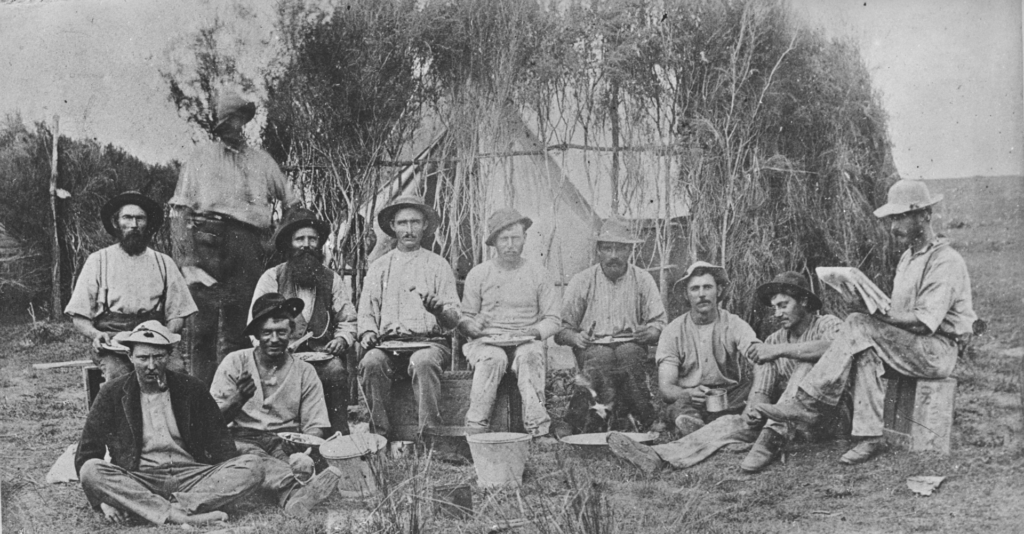
Life on the gumfields
In the 1890s about 20,000 people were digging gum, around 7,000 of them full time. Diggers probed the ground with long gum spears, dug pits and trenches, and scraped and sorted the gum before selling it to gum stores. Women and children, especially Māori, also dug, and many families depended on gum for cash.
The Dalmatians
Dalmatian men began arriving on the gumfields around 1885, often called “Austrians” because their homeland was then part of the Austrian Empire. Many got on well with Māori, and some families still in Northland today descend from them. After complaints that Dalmatians sent their earnings home, the Kauri Gum Industry Act 1898 set aside government gum reserves that only British subjects, Māori and naturalised New Zealanders could work.

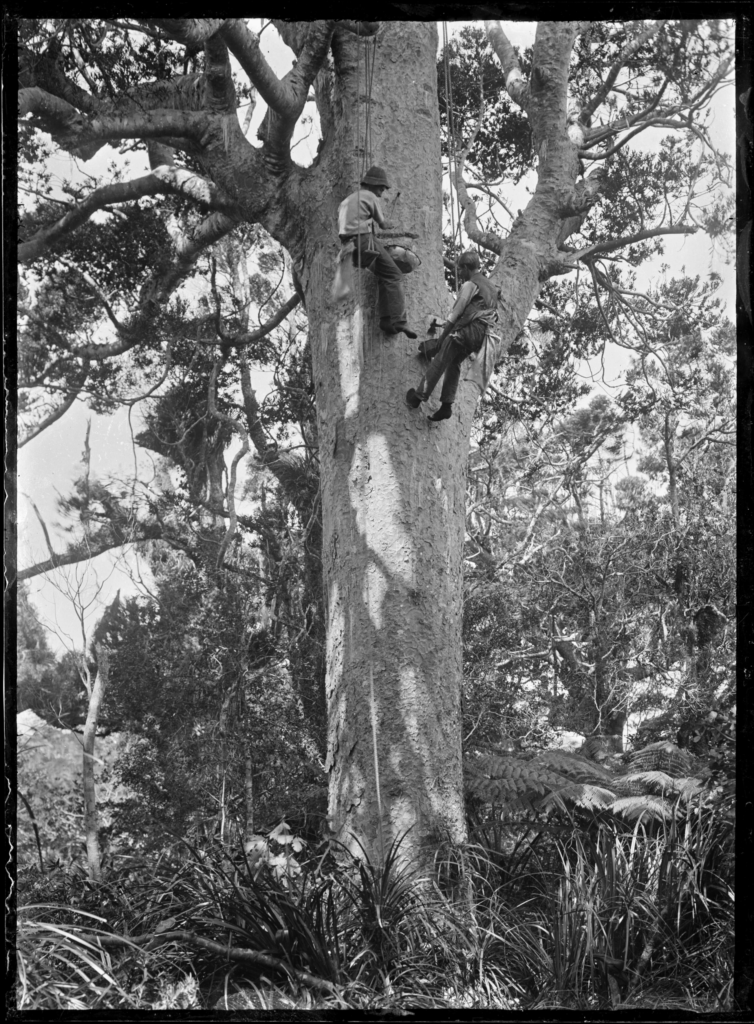
Gum from living trees
From the 1890s, climbers cut V-shaped “taps” into living kauri to bleed fresh gum, climbing trees up to 50 metres high. The work was dangerous and damaged the trees, and bleeding gum was banned in all state forests in 1905.

The end of an industry
Cheaper synthetic resins arrived in the 1930s, and by the 1940s gum digging was a “sunset industry”. Today kauri gum is mostly collected and polished as ornaments, and gum diggers are remembered in places like Dargaville, where a statue of a digger stands.